


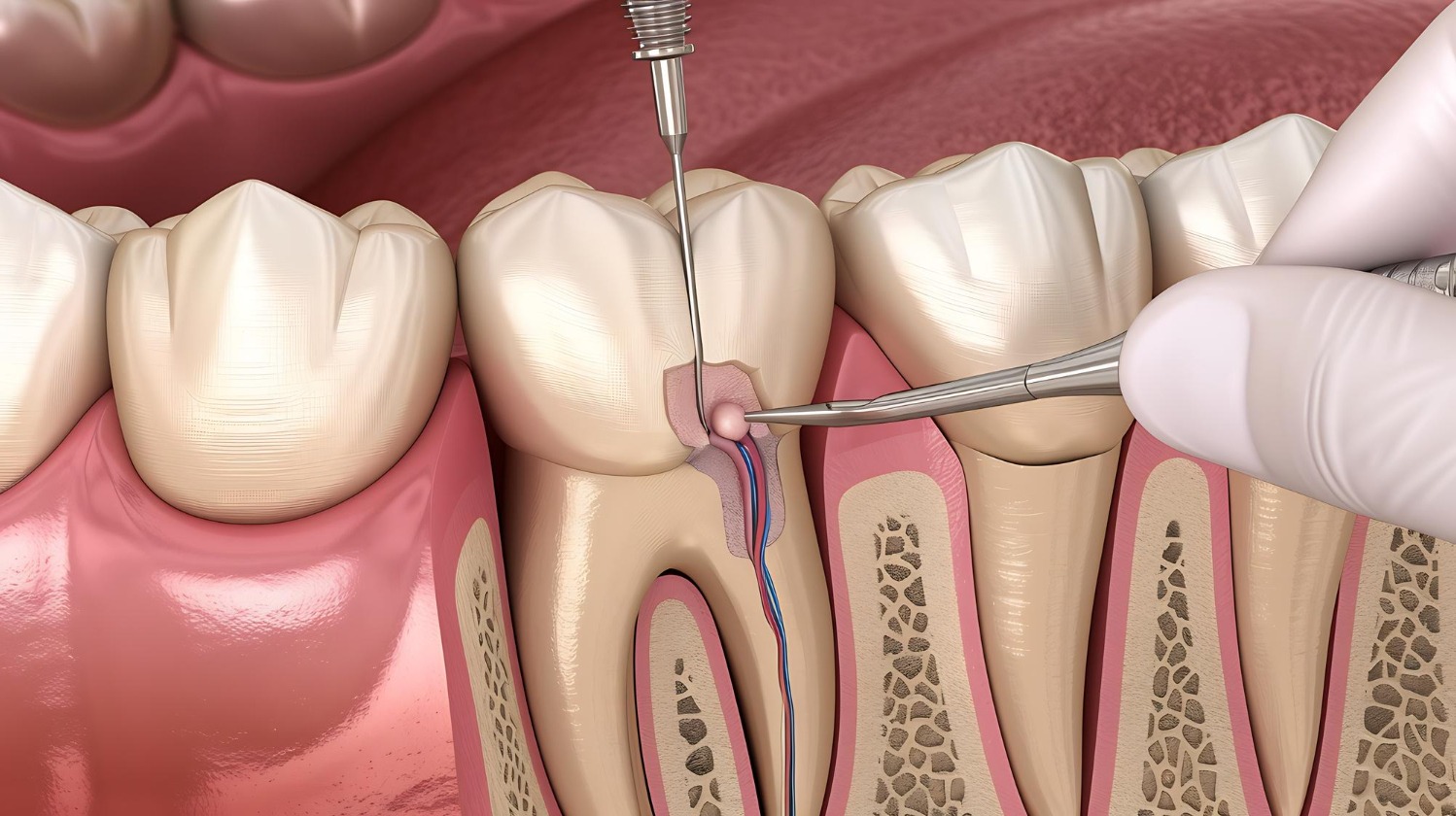
A persistent toothache can make eating, sleeping, and concentrating difficult. While not every toothache requires complex treatment, pain that continues or becomes more intense should never be ignored. In many cases, saving the natural tooth through root canal treatment is the best solution.
Modern dentistry has transformed root canal treatment into a safe, predictable, and comfortable procedure that helps eliminate infection while preserving the tooth whenever possible.
Understanding Root Canal Treatment
Inside every tooth is a soft tissue called the pulp. It contains nerves, blood vessels, and connective tissue that help the tooth develop during its early years.
When bacteria enter the pulp because of deep decay, repeated dental procedures, cracks, or trauma, the tissue becomes inflamed or infected. A root canal removes the damaged pulp, cleans the internal canals, disinfects them, and seals the tooth to prevent future infection.
The procedure allows patients to keep their natural tooth instead of having it extracted.
Common Signs You May Need Root Canal Treatment
Although only a dental examination can confirm the diagnosis, several symptoms often indicate that treatment may be necessary.
These include:
- Severe tooth pain while chewing
- Lingering sensitivity to hot or cold foods
- Swollen or tender gums
- A recurring pimple-like swelling on the gums
- Tooth discoloration
- Persistent throbbing pain
- Pain that interrupts sleep
Ignoring these warning signs may allow the infection to spread further.
Causes of Tooth Pulp Infection
Several conditions can damage the inner portion of a tooth.
Common causes include:
- Untreated dental cavities
- Cracked or fractured teeth
- Dental injuries
- Repeated restorative procedures
- Deep fillings close to the nerve
- Advanced gum disease
Early diagnosis often prevents complications and improves treatment success.
What Happens During the Procedure?
Many patients imagine root canal treatment to be painful, but advances in anesthesia and dental technology have made the process much more comfortable.
The procedure generally involves:
- Examination and digital imaging.
- Administration of local anesthesia.
- Creating a small opening in the tooth.
- Cleaning and shaping the root canals.
- Disinfecting the canals thoroughly.
- Filling and sealing the canals.
- Restoring the tooth with a filling or crown if required.
The exact number of appointments depends on the complexity of the case.
Why Saving the Natural Tooth Is Important
Whenever possible, preserving the original tooth is usually preferable to extraction.
Benefits include:
- Maintaining normal chewing function
- Preserving natural bite alignment
- Preventing neighboring teeth from shifting
- Supporting jawbone health
- Avoiding additional replacement procedures
Keeping the natural tooth often provides the most predictable long-term outcome.
Does Every Root Canal Need a Crown?
Not always.
Front teeth that experience minimal biting force may only require a filling after treatment. However, back teeth such as molars typically benefit from dental crowns because they endure greater chewing pressure.
Your dentist will recommend the most suitable restoration based on the amount of remaining tooth structure.
Recovery After Root Canal Treatment
Most patients resume normal daily activities soon after treatment.
Temporary sensitivity for a few days is common and usually manageable with prescribed medication.
For smooth recovery:
- Avoid chewing on the treated tooth until restoration is complete.
- Maintain excellent oral hygiene.
- Brush and floss gently around the area.
- Attend follow-up appointments as advised.
Proper restoration plays a significant role in the long-term success of the treatment.
Myths About Root Canal Treatment
Several outdated beliefs still discourage patients.
Myth: Root canal treatment is extremely painful.
Fact: Modern techniques make the procedure similar in comfort to routine fillings.
Myth: Tooth extraction is always a better option.
Fact: Saving the natural tooth generally offers better long-term oral function.
Myth: Pain disappears on its own.
Fact: Infection inside the pulp rarely resolves without professional treatment.
Preventing the Need for Root Canal Treatment
While not every case can be avoided, preventive care significantly lowers the risk.
Helpful habits include:
- Brushing twice daily with fluoride toothpaste
- Flossing every day
- Scheduling regular dental examinations
- Treating cavities early
- Wearing a mouthguard during contact sports
- Avoiding chewing hard objects such as ice
Preventive dentistry remains the simplest way to preserve healthy teeth.
For families living near Sarjapur Road, Bangalore, routine dental check-ups often identify problems before they become severe enough to require advanced treatment. Practices such as Achala Dental Clinic focus on early diagnosis, allowing many dental conditions to be managed conservatively whenever possible.
Root canal treatment is not something to fear. It is a proven method of removing infection, relieving discomfort, and preserving your natural smile. Acting promptly when symptoms first appear often leads to easier treatment, quicker recovery, and better long-term oral health.


