
A smile design consultation is more than choosing whiter teeth or a different tooth shape: the dentist first checks whether your teeth, gums, bite and facial movement can support the result you want. You will learn what happens at each appointment, how treatment options differ in tooth preservation, time and upkeep, and which questions help you approve a plan with realistic expectations.
Key takeaways
- Describe the exact smile changes you want before treatment begins.
- Use previews and mock-ups to discuss shape, shade, and proportions.
- Ask what you will feel and how many visits treatment requires.
- Protect results with daily cleaning, reviews, and a custom night guard when advised.
What happens at the first smile design consultation?
Your first smile design consultation starts with a conversation, not a procedure. After you describe what you dislike and what you want to change, the dentist records your goals, such as a lighter shade, less gum display or a more even tooth shape.
Clinical photographs capture your smile at rest, while speaking and in a full smile.
A dental examination checks for decay, gum disease, cracked teeth, failing fillings and bite problems. The assessment may also include radiographs, dental impressions or a digital dental scan, shade analysis, and measurements of tooth display, gum levels, tooth proportions and facial proportions.
| Finding | Why it matters | Possible next step |
|---|---|---|
| Decay or a failing filling | Cosmetic treatment will not strengthen an unhealthy tooth | Repair or restore it first |
| Bleeding or diseased gums | Inflammation can affect appearance and restoration stability | Treat the gum condition |
| Cracks or heavy bite contact | The tooth may need protection before cosmetic changes | Assess bite forces and restoration options |
| Uneven tooth display or gum levels | The visible issue may involve teeth, gums, lips or proportions | Compare reshaping, gum treatment or orthodontics |
Active disease must be treated before smile design treatment because veneers, bonding and crowns do not make unhealthy teeth or gums healthy. Ask whether the proposed result is reversible, what risks and alternatives exist, how the bite will change, and how cleaning, reviews, repairs and long-term maintenance will work.
How does the dentist decide which procedures you need?
The dentist chooses treatment by matching the cause of the visible concern to the least invasive effective option, not by selecting a procedure from appearance alone. The assessment covers facial proportions, lip movement, tooth display while smiling and speaking, gum visibility, tooth shape, tooth colour, dental midline, tooth position and bite.
| Option | What it addresses | Key consideration |
|---|---|---|
| Whitening | Colour of natural teeth | It does not whiten composite, porcelain, veneers or crowns. |
| Tooth reshaping or composite bonding | Small changes in edge shape, length or minor gaps | Bonding can suit a limited correction with little tooth removal. |
| Veneers | Front-surface shape, colour or proportion changes | Enamel preparation makes this less reversible than bonding. |
| Dental crowns | A weakened or heavily restored tooth | A crown covers the tooth and requires more preparation than a veneer. |
| Gum contouring dentistry | Uneven gum levels or excessive gum display | Trimming gum cannot correct a problem caused by tooth position or lip movement. |
| Orthodontics | Crowding, rotation or an unstable bite | Moving teeth can preserve enamel, but treatment takes longer. |
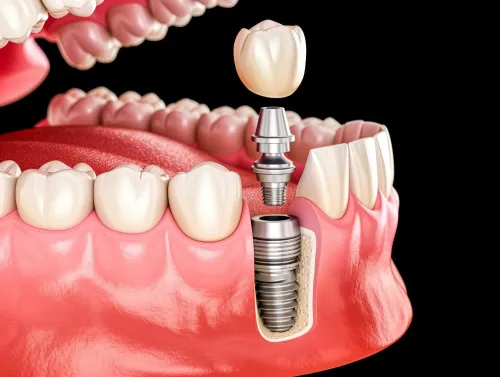
| Tooth replacement | Missing teeth | Implants require staged assessment, placement and healing before the final crown. |
Achala Dental Clinic can help you compare a conservative plan with more extensive treatment by explaining what each option changes, what tooth structure it uses, and what follow-up it demands. Ask whether whitening, bonding or orthodontics could solve the concern before committing to veneers, crowns or implant treatment.
What can a digital preview, mock-up or wax-up tell you?
A digital smile design preview tests proposed tooth length, width, shape, colour and gum display before irreversible treatment. It communicates proportions clearly, but it cannot guarantee the final colour, surface texture, lip movement or fit. Lighting, screen settings and the way your lips move can make the finished result look different.
A diagnostic wax-up or temporary mock-up gives you a physical trial of the proposed tooth shape and length. Use it to assess:
- Comfort when your lips rest and when you smile.
- Pronunciation of sounds such as “f,” “v,” “s” and “th.”
- Cleaning access around the teeth and gum margins.
- Bite contact when you close, chew and move your jaw.
- How much tooth and gum show during ordinary conversation.
- Whether the design still looks natural outside a posed photograph.
Ask whether the mock-up represents the intended treatment accurately, or only demonstrates general proportions. A wax-up may guide laboratory work, while a temporary mock-up lets you judge the design in your mouth before definitive veneers, crowns or bonding.
Plan whitening before selecting or replacing visible restorations when possible. Whitening changes natural teeth, but porcelain, ceramic, composite, existing crowns and veneers do not whiten. Whitening after restoration placement can leave a colour mismatch, so record the final shade after whitening and before fabricating replacement restorations.
How long does smile design treatment take, and what will you feel?
The smile makeover timeline depends on the procedures selected, but it usually moves through these stages:
1. Consultation and records: photographs, radiographs, digital scans or impressions, shade assessment, bite measurements and a discussion of your goals establish the starting point.
2. Disease control and preparation: decay, gum disease, cracked teeth or failing fillings need treatment before cosmetic work. Whitening or tooth reshaping may require fewer visits than restorative treatment.
3. Trial design: a digital preview, wax-up or temporary mock-up tests tooth length, shape and gum display. Check speech, cleaning access and bite before approving the design.
4. Active treatment: direct bonding can sometimes finish quickly. A veneer appointment or crown preparation appointment may be followed by crown laboratory time while the restoration is made. Gum contouring adds healing time.
5. Movement or replacement: orthodontics involves orthodontic adjustment time over many months. Implant tooth replacement involves imaging, possible bone or gum augmentation, implant placement, integration and a later crown.
6. Fitting and review: the dentist checks contacts, bite pressure, margins, speech and comfort, then adjusts the restoration or arranges a follow-up.
Whitening can cause short-lived sensitivity, while gum contouring and restorative work can leave your gums tender or irritated. Altered tooth length can make speech feel unfamiliar until you adapt. A bite that feels high, persistent pain, or a loose restoration needs prompt review rather than waiting for the next routine appointment.
How do you protect the result after smile design treatment?
After the final fitting, protect the result with daily plaque control, regular reviews and prompt attention to problems. How long it remains comfortable and healthy depends on the material used, your bite, cleaning routine, diet, grinding and gum health.
Brush twice daily with a soft-bristled toothbrush and fluoride toothpaste, clean between teeth with floss or interdental brushes, and follow the cleaning method given for veneers, crowns or an implant crown. This is the foundation of smile design maintenance and veneer care.
Attend the recommended examinations and professional cleaning appointments. Cosmetic dental follow-up can identify decay, gum disease, worn edges or bite changes before they compromise a restoration. Report a chip, loosened veneer or crown, bleeding gums, persistent sensitivity, pain or a bite that suddenly feels high.
Whitening fades as natural teeth pick up stains again. Porcelain, ceramic and composite restorations can also stain, wear or chip, but they do not whiten like natural enamel and may eventually need repair or replacement. Cosmetic treatment does not prevent decay or gum disease.
If you grind or clench, ask whether a night guard for teeth grinding suits your bite and restorations. Manage sensitivity exactly as instructed rather than ignoring symptoms.
Before leaving, confirm:
- The recall schedule and professional cleaning interval.
- The brush, floss or interdental method to use.
- The repair plan for chips or loose restorations.
- Expected replacement needs and warning signs.
- Who manages follow-up for veneers, crowns, orthodontic retention or an implant crown.
Frequently asked questions
What happens at the first smile design consultation?
You discuss what you want to change, such as tooth shade, shape, alignment, or gum display. The dentist then assesses your teeth, gums, bite, and smile proportions before discussing suitable options.
How does the dentist decide which procedures you need?
The decision is based on your goals, tooth and gum health, bite, available tooth structure, and the result you want. The dentist compares appropriate options rather than selecting procedures from appearance alone.
What can a digital preview, mock-up, or wax-up tell you?
These tools help you review proposed tooth shape, size, shade, and overall proportions before treatment. A mock-up or wax-up also lets you discuss changes to the planned design.
How long does smile design treatment take, and what will you feel?
The timeline depends on the procedures involved and your oral health. Ask how many visits are planned, whether preparation is needed, and whether you should expect sensitivity, pressure, or numbness.
How do you protect the result after smile design treatment?
Follow your dentist’s cleaning instructions, attend recommended reviews, limit habits that damage teeth, and use a night guard if grinding puts the result at risk.