


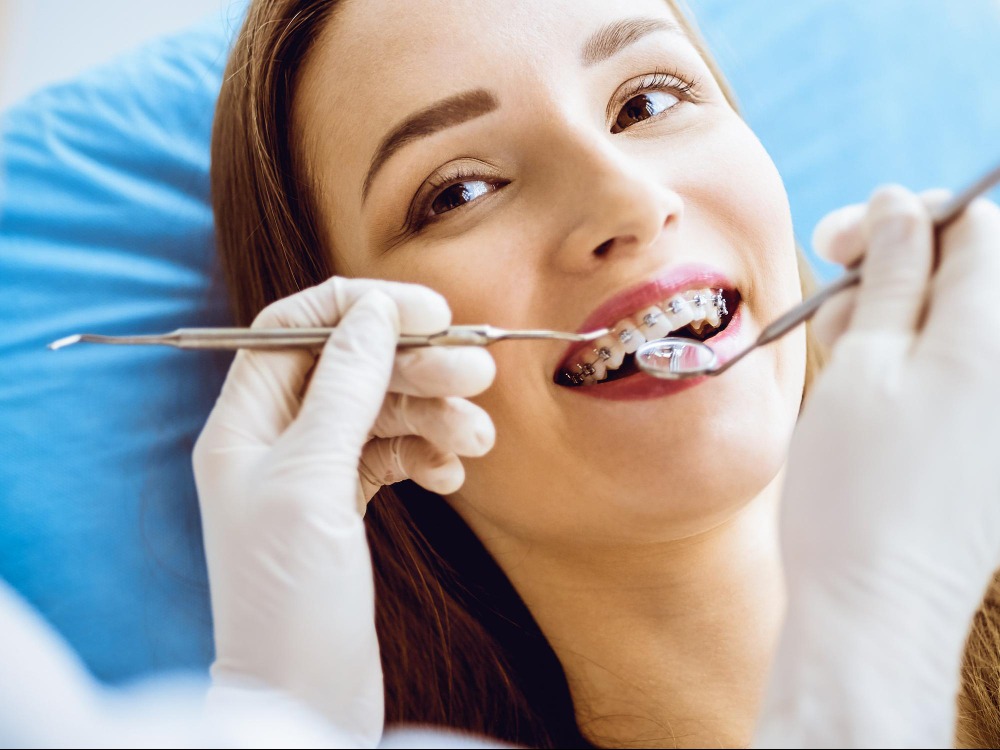
Many people associate orthodontic care with achieving a beautiful smile, but properly aligned teeth also play a significant role in maintaining long-term oral health. Crooked, crowded, or misaligned teeth can affect chewing, speech, oral hygiene, and even jaw function.
Whether treatment involves traditional braces or clear aligners, orthodontic care focuses on creating a healthier bite while improving the appearance of the smile.
What Is Orthodontic Care?
Orthodontic care involves diagnosing and correcting problems related to tooth alignment and jaw positioning. Treatment gradually moves teeth into better positions using carefully controlled pressure.
Common orthodontic appliances include:
- Metal braces
- Ceramic braces
- Self-ligating braces
- Clear aligners
- Retainers
The most suitable option depends on the patient's age, dental condition, and treatment goals.
Signs You May Benefit from Orthodontic Treatment
Not everyone with slightly uneven teeth requires braces. However, certain conditions often benefit from professional evaluation.
These include:
- Crowded teeth
- Gaps between teeth
- Overbite
- Underbite
- Crossbite
- Open bite
- Difficulty cleaning between teeth
- Jaw discomfort caused by bite problems
Early diagnosis often simplifies treatment.
Why Alignment Affects Oral Health
Misaligned teeth are more difficult to clean thoroughly, increasing the risk of plaque buildup, cavities, and gum disease.
Correcting alignment may help:
- Improve brushing and flossing
- Reduce uneven tooth wear
- Improve chewing efficiency
- Lower stress on jaw joints
- Enhance speech in selected cases
Orthodontic care contributes to both aesthetics and oral function.
Is Orthodontic Treatment Only for Teenagers?
A common misconception is that braces are only suitable during adolescence.
In reality, adults of all ages increasingly seek orthodontic treatment to improve both oral health and confidence. Advances in clear aligner technology have made treatment more discreet and convenient for working professionals.
As long as gums and supporting bone remain healthy, age alone is rarely a barrier.
What Happens During Treatment?
Orthodontic treatment generally follows several stages.
- Comprehensive examination.
- Digital scans or impressions.
- Bite analysis.
- Customized treatment planning.
- Placement of braces or aligners.
- Regular progress reviews.
- Retention phase to maintain results.
Treatment duration varies depending on the complexity of the case.
Benefits Beyond Appearance
Well-aligned teeth provide advantages that extend far beyond cosmetic improvements.
These include:
- Easier oral hygiene
- Reduced risk of tooth damage
- Better bite function
- Improved confidence
- More balanced facial appearance
- Greater long-term stability of dental health
Every patient experiences different functional improvements depending on their initial condition.
Maintaining Results After Treatment
Completing orthodontic treatment is only part of the journey.
Retainers help prevent teeth from gradually moving back toward their original positions. Dentists usually recommend wearing retainers according to an individualized schedule to preserve results.
Maintaining excellent oral hygiene and attending regular follow-up appointments also contribute to long-term success.
Choosing the Right Time for Evaluation
Parents often wonder when children should receive their first orthodontic assessment, while adults frequently question whether treatment is worthwhile later in life.
The answer varies from person to person. A professional examination identifies developing bite problems before they become more complicated.
For families living near Sarjapur Road, Bangalore, comprehensive dental evaluations often include screening for orthodontic concerns alongside routine oral health assessments. Achala Dental Clinic takes a preventive approach by identifying alignment issues early and discussing suitable treatment options based on each patient's needs.
Orthodontic care is ultimately an investment in lifelong oral health. Straight teeth are certainly attractive, but healthy alignment also supports better chewing, easier cleaning, and improved overall dental function.


