A crowded tooth, a persistent gap or an uneven bite can have different causes, so the visible problem does not always reveal the right treatment. By the end, you will know how orthodontic forces correct specific alignment problems, how to compare appliances and which checks must come before treatment.
Key takeaways
- Identify whether tooth position, oral disease or jaw structure causes the problem.
- Braces and aligners move teeth through controlled pressure, but not every case suits both.
- Treat decay and gum disease before orthodontic movement begins.
- Wear retainers after treatment to help prevent teeth from shifting back.
What is causing the crooked tooth, gap or bite problem?
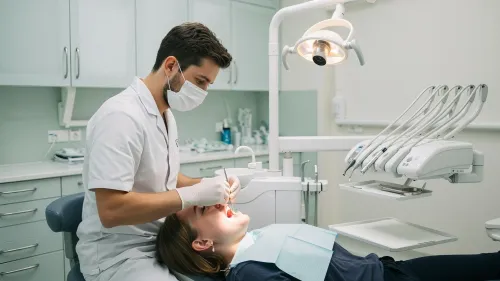
An orthodontic assessment separates a tooth-position problem from a disease or jaw problem by checking whether the teeth, supporting tissues and jaw can safely respond to movement. A crooked tooth, crowding or gaps usually indicate a dental-position issue; the cause may be tipping, rotation, tooth-size differences, missing teeth or delayed eruption.
The assessment may include:
- Photographs of the teeth, face and smile
- A bite evaluation, including how the upper and lower teeth meet during closing and movement
- Dental impressions or a digital scan to measure spacing and arch shape
- X-rays to locate impacted, missing or malformed teeth and examine roots and supporting bone
Decay, poorly controlled gum disease or a tooth with an uncertain prognosis must be treated before orthodontic forces are applied. Moving through infection or weak support can worsen damage, loosen a tooth or undermine the final result.
The assessment also checks whether the mismatch comes from the jaws rather than tooth position. Braces or aligners can move teeth, but they cannot fully resize or reposition an adult jaw. A severe upper-lower jaw discrepancy may require an oral and maxillofacial evaluation for orthognathic surgery, sometimes alongside orthodontic treatment.
Growth, harmful habits and eruption problems also influence whether early care or observation is the safer first step.
How braces and aligners correct each type of problem
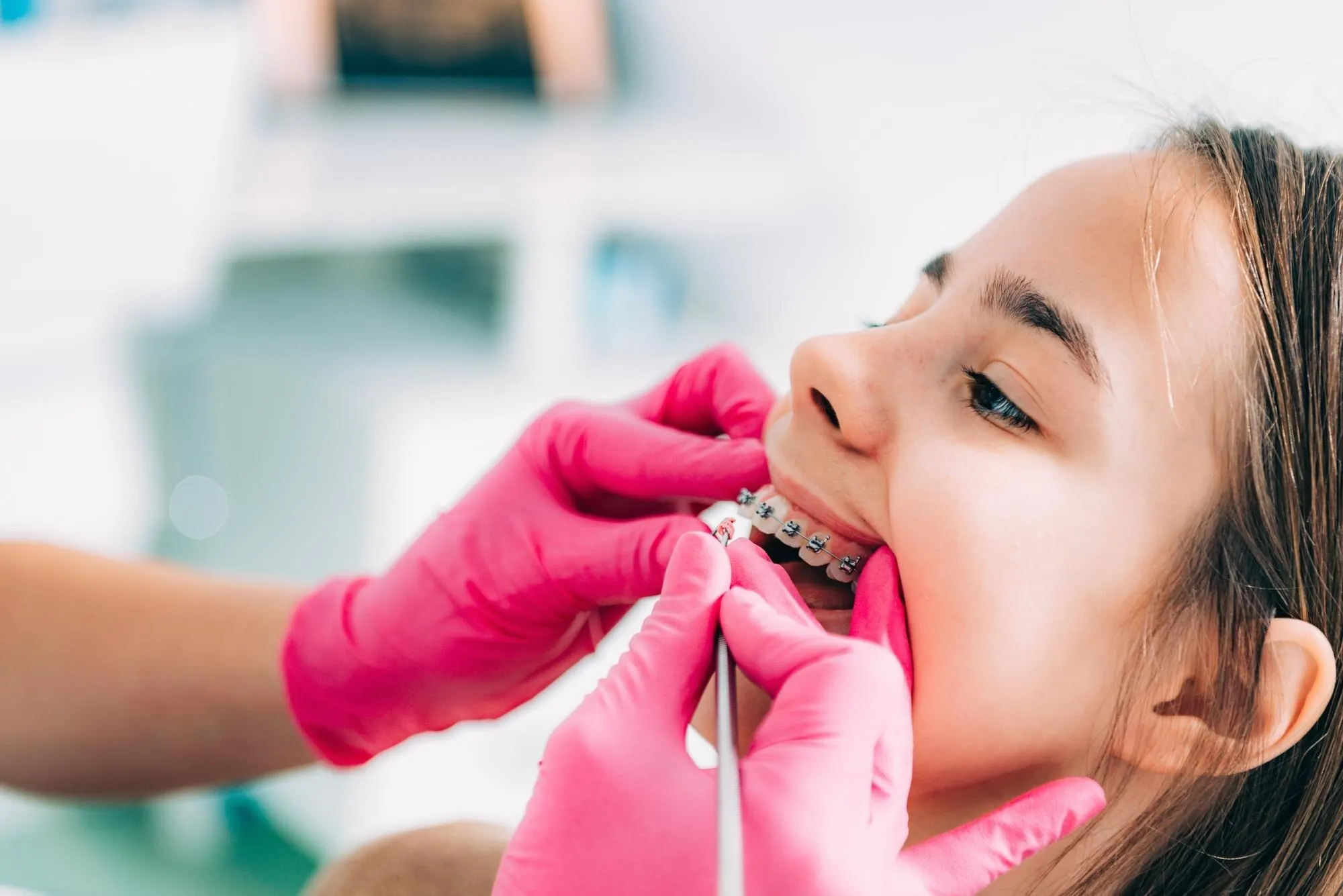
A bracket-and-wire system or clear aligner does not shove a tooth through solid bone. It delivers light, planned force over time; bone remodels around the root, allowing the crown and root to change position. Brackets and wires guide the force, while aligners use shaped plastic and attachments for extra grip.
The direction of force determines the correction:
- Crowding: The appliance creates space by tipping, rotating or moving teeth along the arch. Severe crowding may require tooth removal before braces close the planned spaces.
- Protruding teeth: Braces or aligners move the front teeth backward, often with elastics or space created elsewhere. Aligners are less predictable for major movements.
- Spacing or gaps: Teeth move toward one another as the appliance closes each gap. The plan must also address the cause, such as a missing tooth or tongue pressure, or gaps can reopen.
- Crossbite: The incorrectly positioned tooth or teeth move across the bite line into a better upper-to-lower relationship. Elastics can add a sideways or front-to-back pull.
- Overbite: The upper front teeth are guided upward, backward or both, while the lower teeth and back teeth are coordinated. Elastics or attachments can control vertical movement.
- Underbite: Lower teeth may move backward and upper teeth forward to improve the bite. A large jaw-size mismatch cannot be corrected fully with tooth movement and may need jaw surgery.
- Open bite: Front or back teeth are moved vertically until they meet. Elastics and habit control can help; persistent tongue thrusting can undermine the result.
Which appliance fits your problem and daily routine?
Visibility and daily discipline are the key trade-offs. Fixed appliances work continuously, while clear aligners depend on wearing each tray for the prescribed hours and changing trays as directed.
| Option | Visibility and routine | Best fit and limitations |
|---|---|---|
| metal braces | Most visible; remain in place; clean around brackets and wires | Reliable for crowded teeth, rotations and complex bite movements |
| ceramic braces | Less noticeable; fixed; brackets need careful cleaning and can be more vulnerable to damage | Suits patients who want a discreet fixed appliance; offers the same continuous force approach |
| lingual braces | Hidden behind the teeth; fixed; tongue comfort, speech and cleaning require an adjustment period | Useful when appearance is a priority; access and suitability vary with tooth shape and bite |
| clear aligners | Removable for meals and brushing; trays need consistent wear; clean the teeth before replacing them | Discreet and convenient for selected cases; less predictable for severe rotations, major vertical movements, heavy crowding, extraction-space closure and complex bite correction |
Ask how your specific movements will be achieved, not just which appliance looks best. Clear aligners may need tooth-coloured attachments, elastics or a short course of fixed braces.
Fixed braces may fit better if you cannot reliably wear removable trays, while ceramic or lingual braces can add appearance or comfort priorities without removing the demands of daily hygiene. The proposed appliance should match your bite, movement requirements, cleaning habits and tolerance for visibility.
How age, oral health and complexity affect the treatment plan
Age changes what orthodontics can move. In children and developing jaws, treatment can guide erupting teeth and use remaining growth. Teenagers often begin once permanent teeth have erupted, while adult orthodontics moves teeth through mature bone but cannot fully change an adult jaw’s size or position.
A severe upper-lower jaw mismatch may require orthognathic surgery alongside braces. Without that correction, orthodontics may improve tooth position but leave the underlying bite discrepancy.
Do not start treatment over:
- Untreated tooth decay
- Poorly controlled gum disease
- A tooth with an uncertain prognosis
Active gum disease must be controlled before teeth move because orthodontic forces can worsen attachment and bone loss. Thin gum tissue or existing recession may require periodontal advice before or during treatment.
Complexity affects both suitability and treatment duration. Impacted teeth, severe rotations, missing teeth, limited supporting bone and a large jaw discrepancy require more planning than mild crowding. Treatment commonly lasts about 12 months to 2.5 years, and moving teeth faster than the tissues can safely remodel increases risk.
Appointment frequency depends on the appliance and treatment stage. Fixed braces are commonly reviewed every 4–8 weeks for wire adjustments and monitoring; aligner reviews follow planned tray changes. Missed checks can delay progress or allow a tooth, root or gum problem to go unnoticed.
What must happen after teeth move into position?
A plan is incomplete if it ends when the brackets come off or the last aligner is delivered. Teeth can relapse as bone and supporting tissues adapt, and tooth positions continue changing with age, so orthodontic retainers are part of treatment—not an optional accessory.
Ask the orthodontist to specify these details in writing:
- Which retainer: removable plastic, Hawley-style, or bonded wire
- When to start wearing it and whether the schedule changes from full-time to nights
- How long retention is expected to continue; many patients need night-time retention indefinitely
- Who checks the retainer, how often, and what happens if it breaks or no longer fits
- What cleaning method protects both the retainer and your teeth
- Which signs—new crowding, a widening gap, gum bleeding, looseness or a tight retainer—require an earlier review
Good follow-up also checks the gums, bite and bonded wire, not just whether the teeth still look straight. Ask for specific instructions on oral hygiene during braces and after removal; plaque around brackets can cause white-spot lesions, decay and swollen gums that undermine the result.
At Achala Dental Clinic, ask whether treatment planning includes a written retention schedule, hygiene guidance and review appointments after active tooth movement. If the proposal mentions only appliance removal and a final photograph, it leaves the main defence against relapse undefined.
Frequently asked questions
What causes crooked teeth, gaps and bite problems?
Causes include crowding, tooth tipping or rotation, tooth-size differences, missing teeth, delayed eruption and jaw-related problems. An orthodontic assessment distinguishes tooth-position issues from disease or jaw conditions.
How do braces and aligners correct orthodontic problems?
Braces use brackets, wires and adjustments to move teeth. Clear aligners use a sequence of removable trays. Both apply controlled forces to correct crowding, gaps, rotations and bite relationships when the case suits the appliance.
Which is better for orthodontic treatment: braces or aligners?
The suitable choice depends on the movement required, treatment complexity and your ability to follow daily instructions. Braces provide fixed control, while aligners require consistent wear and removal for eating and cleaning.
Why are oral health and retainers important during and after treatment?
Decay and gum disease must be managed before teeth move. After active treatment, retainers help hold teeth in their new positions because teeth can shift over time.