

A damaged tooth does not always need to be removed. In many situations, it can be restored and protected with a dental crown, allowing it to function normally for years. Whether a tooth has been weakened by decay, fracture, or a previous root canal treatment, a well-designed crown helps restore both strength and appearance.
Many people think crowns are only for cosmetic improvements, but their primary purpose is to protect compromised teeth from further damage while restoring normal chewing function.
What Is a Dental Crown?
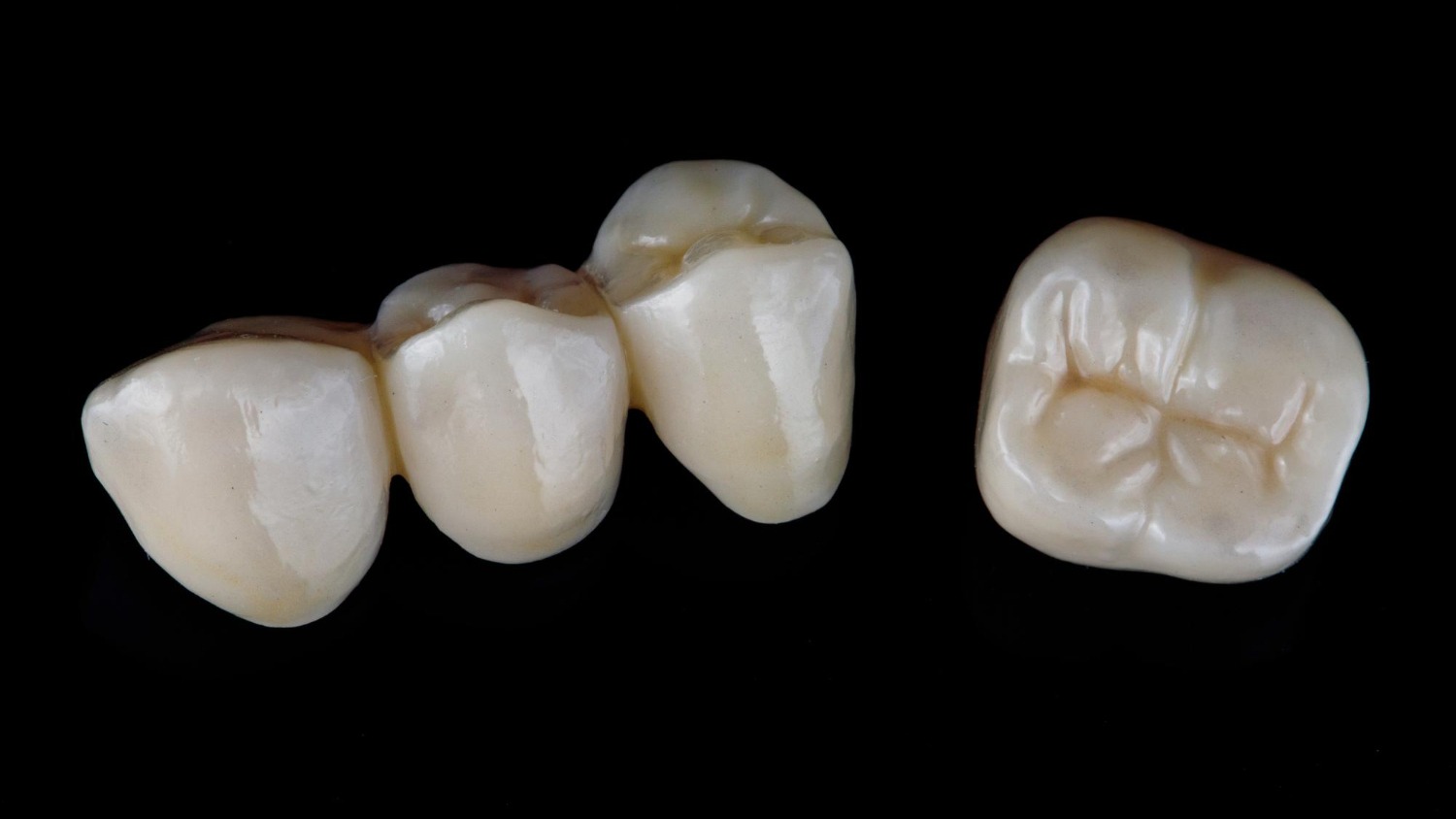
A dental crown is a custom-made cap that completely covers the visible portion of a tooth above the gum line. It is designed to restore the tooth's shape, size, strength, and appearance.
Crowns are commonly made from materials such as:
- Ceramic
- Porcelain
- Zirconia
- Porcelain fused to metal
- Metal alloys in selected cases
The material selected depends on the tooth's location, bite forces, aesthetic expectations, and overall oral condition.
When Is a Dental Crown Recommended?
Dentists may recommend a crown for several reasons, including:
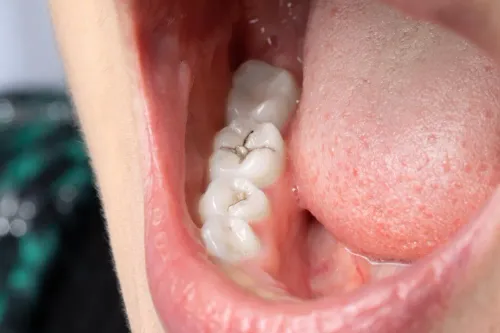
- Large cavities that cannot support a filling
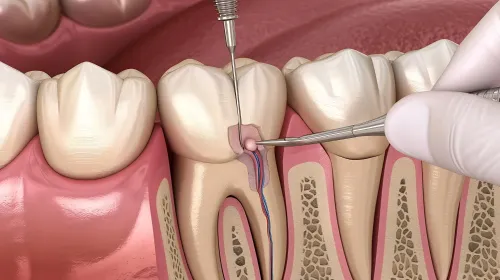
- Teeth weakened after root canal treatment
- Broken or cracked teeth
- Worn-down teeth caused by grinding
- Severely discolored teeth requiring cosmetic improvement
- Replacement of old or damaged crowns
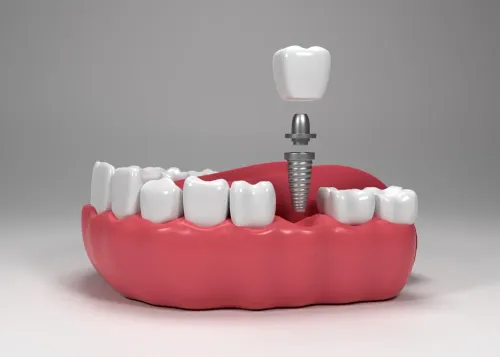
- Covering a dental implant
Each treatment plan is tailored to the patient's specific needs.
Why Fillings Are Not Always Enough
While fillings are excellent for repairing small to moderate cavities, they may not provide sufficient support when a large portion of the tooth is missing.
In these situations, a crown surrounds the remaining tooth structure and distributes chewing forces more evenly, reducing the risk of future fractures.
The Treatment Process
Receiving a dental crown generally involves two appointments.
The first visit includes:
- Clinical examination.
- Digital imaging if required.
- Tooth preparation.
- Impression or digital scan.
- Placement of a temporary crown.
During the second visit, the permanent crown is carefully checked for fit, bite, and appearance before being securely cemented.
Modern digital technology has improved the precision and comfort of crown fabrication.
Benefits of Dental Crowns
Dental crowns offer multiple advantages for long-term oral health.
Strengthens Weak Teeth
Crowns provide structural support for teeth that are no longer strong enough to withstand normal chewing.
Restores Comfortable Function
Patients can usually return to eating most foods comfortably once the final crown is placed.
Enhances Appearance
Modern ceramic materials closely resemble natural enamel, creating an attractive and natural-looking smile.
Protects After Root Canal Treatment
A crown significantly reduces the risk of fracture in root canal-treated molars and premolars.
Long-Term Durability
With proper care, high-quality crowns can remain functional for many years.
Caring for a Dental Crown
Although crowns cannot develop cavities, the natural tooth beneath them still requires protection.
Daily care should include:
- Brushing twice a day
- Flossing around the crown margins
- Avoiding habits like chewing ice
- Wearing a night guard if teeth grinding is present
- Visiting the dentist regularly
Good oral hygiene extends the life of both the crown and supporting tooth.
Can Crowns Look Like Natural Teeth?
One of the biggest improvements in restorative dentistry is the ability to create highly aesthetic crowns.
Modern ceramic and zirconia crowns are color-matched to neighboring teeth, making them difficult to distinguish from natural teeth. Proper shaping also ensures that speech and chewing remain comfortable.
When Should You Replace an Old Crown?
Crowns are durable but may eventually require replacement if they become:
- Loose
- Cracked
- Worn
- Poorly fitting
- Associated with decay beneath the restoration
Routine dental examinations help identify these issues before they become more serious.
For residents on Sarjapur Road and nearby parts of Bangalore, choosing a clinic that combines accurate diagnosis with high-quality restorative materials can significantly improve long-term outcomes. Achala Dental Clinic emphasizes treatment planning based on preserving natural tooth structure while restoring function and aesthetics.
Dental crowns do much more than improve appearance. They reinforce weakened teeth, restore comfortable chewing, and help preserve your natural smile for years when combined with regular oral care.