


Missing one or more teeth can affect much more than your appearance. It can change the way you chew, speak, and even influence the health of the surrounding teeth and jawbone. Many people delay replacing missing teeth because they assume it is only a cosmetic concern, but the longer a gap remains, the greater the chances of bone loss and shifting teeth.
Dental implants have become one of the most reliable and long-lasting tooth replacement options available today. They are designed to function like natural teeth while helping preserve jawbone health and restoring confidence in everyday activities.
What Are Dental Implants?
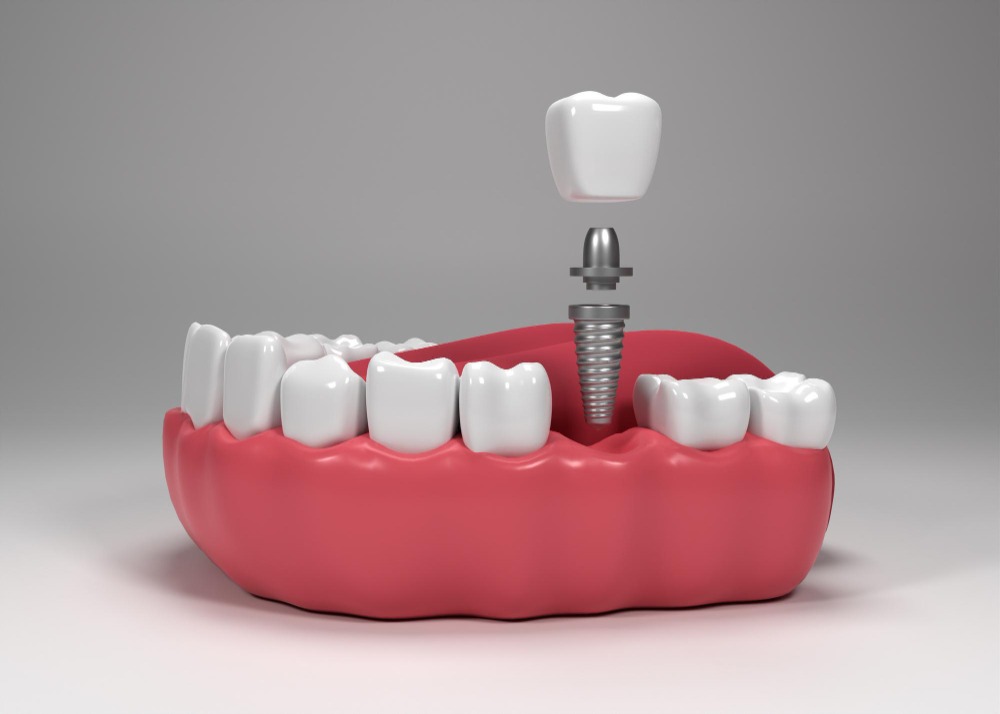
A dental implant is a small titanium post that is placed into the jawbone to replace the root of a missing tooth. Once the implant integrates with the bone through a natural healing process called osseointegration, it serves as a stable foundation for a dental crown, bridge, or even a full arch of replacement teeth.
Unlike removable dentures, implants remain securely fixed in place, allowing patients to eat, speak, and smile comfortably.
Why Replacing Missing Teeth Matters
Many people assume a single missing tooth does not require immediate treatment. However, postponing replacement can lead to several oral health problems, including:
- Loss of jawbone density
- Shifting of neighboring teeth
- Bite misalignment
- Difficulty chewing certain foods
- Increased pressure on remaining teeth
- Changes in facial appearance over time
Replacing a missing tooth early helps maintain both function and overall oral health.
Who Can Benefit from Dental Implants?
Dental implants are suitable for many adults who have lost one or more teeth due to:
- Tooth decay
- Gum disease
- Injury or trauma
- Failed root canal treatment
- Congenital missing teeth
Ideal candidates generally have healthy gums and sufficient jawbone to support the implant. Even if bone loss has occurred, procedures such as bone grafting may help make implant treatment possible.
A comprehensive dental examination is the best way to determine whether implants are the right choice for your individual needs.
How the Treatment Process Works
Understanding the procedure often helps reduce anxiety. Although every patient's treatment plan is unique, the general process includes the following steps:
- Comprehensive dental examination with X-rays or digital scans.
- Personalized treatment planning based on bone condition and oral health.
- Placement of the titanium implant into the jawbone.
- Healing period during which the implant bonds with the bone.
- Placement of the custom-designed dental crown.
Depending on the patient's condition, the timeline can range from a few months to several months.
Benefits That Make Dental Implants a Preferred Choice
Dental implants offer several advantages over traditional tooth replacement methods.
Natural Appearance
The replacement tooth is designed to closely match the color, size, and shape of surrounding teeth, creating a seamless smile.
Strong Chewing Ability
Because implants are anchored directly into the jawbone, they provide excellent stability while eating.
Bone Preservation
Unlike removable dentures, implants stimulate the jawbone and help reduce bone loss that commonly occurs after tooth loss.
Long-Term Durability
With proper oral hygiene and routine dental visits, implants can last for many years and often decades.
Improved Speech
Loose dentures can sometimes affect pronunciation. Fixed implants eliminate this concern by providing stable support.
Are Dental Implants Painful?
One of the most common concerns is whether implant surgery is painful. In reality, the procedure is performed under local anesthesia, making the treatment much more comfortable than many patients expect.
Mild soreness or swelling after surgery is normal and usually resolves within a few days with prescribed medication and proper care.
Caring for Dental Implants
Dental implants require the same attention as natural teeth.
Good maintenance includes:
- Brushing twice daily
- Flossing regularly
- Using recommended interdental cleaning aids
- Attending routine dental check-ups
- Avoiding tobacco products whenever possible
Consistent care helps maintain both the implant and surrounding gum health.
Common Misconceptions About Dental Implants
Several myths often discourage people from considering implant treatment.
Myth: Dental implants require frequent replacement.
Fact: Well-maintained implants can remain functional for many years.
Myth: Older adults cannot receive implants.
Fact: Overall health and bone quality matter more than age.
Myth: Implants look artificial.
Fact: Modern restorations are customized to blend naturally with existing teeth.
Why Early Consultation Makes a Difference
The longer a missing tooth remains untreated, the greater the possibility of bone loss and movement of nearby teeth. Seeking professional evaluation early allows dentists to recommend the most suitable treatment while preserving oral structures.
For residents around Sarjapur Road in Bangalore, timely diagnosis and treatment planning can help prevent more complex restorative procedures later. Clinics such as Achala Dental Clinic use modern diagnostic techniques to evaluate implant suitability and create personalized treatment plans based on each patient's oral health rather than a one-size-fits-all approach.
Replacing a missing tooth is about restoring more than a smile. It helps protect oral health, improve daily comfort, and support long-term confidence. Understanding how dental implants work enables patients to make informed decisions that benefit both their appearance and overall well-being.


