A child can have active tooth decay, an eruption problem, or an unhealthy bite without complaining of pain. Knowing when to schedule visits, what happens during them, and which symptoms need faster attention helps you protect primary teeth while permanent teeth develop.
Key takeaways
- Schedule your child’s first dental visit by their first birthday.
- Regular check-ups can detect decay, enamel defects, bite changes, and gum problems early.
- Seek care for tooth pain, swelling, trauma, or persistent sensitivity before the next visit.
- Brush twice daily with fluoride toothpaste and supervise children until brushing is reliable.
When Should Your Child Have Dental Visits?
Start with a dental appointment before your child has pain or visible decay. The American Academy of Pediatric Dentistry recommends a first dental visit by first birthday and establishing a dental home by 12 months.
This visit assesses decay risk, examines the mouth, supports feeding and brushing habits, and helps your child become comfortable with dental care.
A practical schedule looks like this:
- Infancy: Arrange the first visit by age 1, or within six months of the first tooth appearing.
- Ages 1 to 3: Keep routine pediatric dental check-ups at the interval your dentist sets. Many children return about every six months, but high-caries-risk children may need shorter intervals.
- Ages 3 to 6: Continue preventive visits while primary teeth remain important for eating, speech, space, and comfort. The dentist tracks decay, enamel changes, cleaning, fluoride exposure, and oral habits.
- School age: Maintain regular visits during mixed dentition, when primary and permanent teeth are present. The dentist monitors loose primary teeth, erupting permanent teeth, crowding, and bite changes.
- Through permanent-tooth eruption: Keep the schedule until the last permanent teeth have erupted, then continue the interval recommended for your child.
Book an earlier appointment after tooth pain, swelling, a dental injury, a visible cavity, or a sudden eruption change. Do not wait for symptoms: early childhood decay can advance while a child still seems comfortable. A preventive schedule reduces missed disease; it does not replace prompt treatment when a problem appears.
What Happens During a Regular Pediatric Dental Visit?
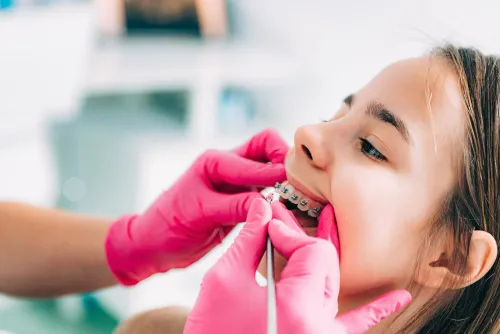
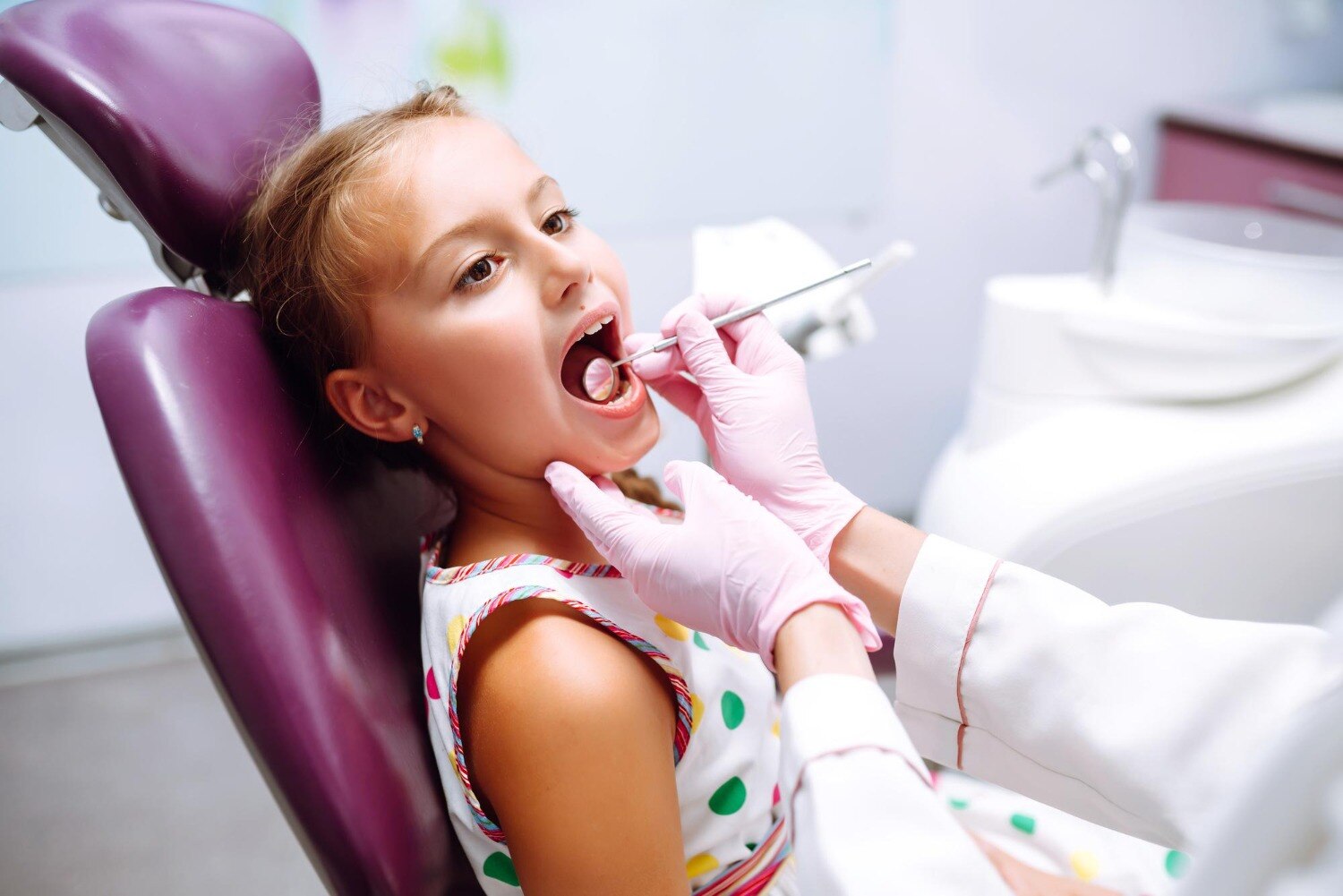
A preventive visit starts with a medical and dental history, including medicines, allergies, illnesses, previous cavities, fluoride exposure, brushing habits, diet, and oral symptoms. The dentist then performs a child dental examination of the teeth, gums, tongue, cheeks, jaw, bite, and eruption pattern.
The visit may include:
- Checking for visible decay, enamel defects, plaque, gum inflammation, mouth injuries, and habits such as thumb-sucking or prolonged pacifier use.
- Comparing tooth eruption and spacing with the child’s age and growth, then assessing whether the bite is developing normally.
- Recommending radiographs only when a clinical question exists, such as suspected decay between teeth, unusual eruption, pain, or unavailable previous images. Age, caries risk, symptoms, and existing findings guide that decision.
- Providing professional teeth cleaning for children when plaque, calculus, staining, or gum inflammation requires instruments or polishing. A cooperative child with little buildup may need only gentle cleaning and brushing instruction.
- Applying fluoride varnish when the child’s decay risk, fluoride exposure, enamel condition, or past disease supports it. Frequent sugary drinks, weak brushing, or previous cavities increase the value of varnish; adequate fluoride exposure and low risk may change the recommendation.
- Demonstrating brushing with fluoride toothpaste: a smear-sized amount below age 3 and a pea-sized amount from ages 3 to 6, with an adult supervising.
The dentist also gives specific home advice about water between meals, limiting sugary drinks to mealtimes, and the interval before the next visit. High-risk children need closer review than children with stable, healthy mouths.
Which Problems Can Regular Visits Find Early?
Scheduled examinations find trouble while it is still small, painless, and easier to monitor or correct. The dentist compares tooth development over time, checks plaque and gum tissue, and uses radiographs when indicated to detect cavities between baby teeth that a visual check cannot reveal.
| Problem | What an examination can reveal early | Why timing matters |
|---|---|---|
| Cavities and enamel defects | Decay on smooth surfaces, hidden decay, weak or thin enamel, and areas that trap plaque | Early fluoride, monitoring, or restoration can prevent pain, infection, and premature tooth loss |
| Gum problems | Redness, swelling, bleeding, plaque buildup, or irritation from brushing difficulty | Treating inflammation early protects comfort and improves daily cleaning |
| Eruption changes | Delayed tooth eruption in children, teeth appearing too early, or a permanent tooth emerging out of position | Tracking the sequence can prompt imaging, observation, or referral before crowding worsens |
| Bite and oral habits | Crossbite, excessive overbite, spacing changes, thumb-sucking, or prolonged pacifier use | Guidance during growth can reduce pressure on developing teeth and jaws |
| Injury or neglect | Chipped, discoloured, loose, or traumatised teeth and patterns of untreated disease | Prompt assessment protects primary teeth and identifies wider care needs |
Primary teeth importance extends beyond chewing: they support speech, guide permanent teeth, and hold space. Losing one early through decay or infection can allow neighbouring teeth to shift, so the dentist may monitor the gap or recommend a space maintainer. Regular visits also show whether home care and diet are controlling new disease.
When Should You Seek Care Before the Next Check-Up?
A child toothache needs a prompt dental appointment, not a place on the next routine-visit calendar. Arrange same-day care for facial swelling and fever, pus, uncontrolled bleeding, or difficulty eating or swallowing. If swelling affects breathing, take your child to emergency care immediately.
Seek prompt advice after dental trauma in children, including a fall that chips, loosens, displaces, or knocks out a tooth. Do not reinsert a knocked-out primary tooth; place it in clean milk or saliva and contact a dentist immediately.
A visible cavity, persistent sensitivity, a broken filling, or pain that wakes your child also deserves an earlier assessment.
| Visit type | Main purpose | What care involves |
|---|---|---|
| Prevention | Find risk before symptoms develop | Examination, bite and eruption checks, cleaning, fluoride advice, home-care guidance, and radiographs only when a clinical question requires them |
| Treatment | Diagnose and control an existing problem | Symptom assessment, targeted radiographs when indicated, pain or infection management, and a filling, pulp treatment, extraction, or repair based on the tooth’s condition |
| Trauma care | Protect the injured tooth and developing teeth | Examination of tooth position, mobility, soft tissues, and nerve injury, followed by stabilization, monitoring, or urgent repair |
Treatment decisions for a primary tooth depend on decay depth, symptoms, restorability, age, and time until natural loss. Waiting can turn a small repair into infection, sleep disruption, difficulty eating, or harm to the developing permanent tooth.
How Can You Prepare Your Child and Support Care at Home?
Book a dental-home visit by your child’s first birthday, even if no tooth looks damaged. For preparing a child for the dentist, use simple, truthful language, play “dentist” at home, and choose a time when your child is rested.
Do not threaten, shame, or promise a reward for staying still; tell the dentist about thumb-sucking and pacifier use instead of trying to hide the habit.
Choose the preventive appointment according to risk, not a fixed calendar interval.
| Child’s situation | Appointment choice | What to discuss |
|---|---|---|
| Low risk | Routine interval set after examination | Brushing, fluoride exposure, diet, eruption |
| Elevated risk | Shorter recall interval | Frequent sugary snacks and drinks, visible plaque, weak fluoride exposure, medical conditions |
| Previous decay, pain, swelling, or a visible cavity | Prompt assessment rather than a routine check-up | Treatment needs and a prevention plan |
At home, supervise brushing twice daily and help your child reach the back teeth. Use fluoride toothpaste from the first tooth: a smear or rice-sized amount under age 3, and a pea-sized amount from ages 3 to 6; supervise spitting rather than routine swallowing.
Offer water between meals, keep sugary snacks and drinks with meals, and avoid prolonged sipping or bedtime bottles. At Achala Dental Clinic, ask the team to record your child’s risk factors and give you the next recall interval in writing.
Frequently asked questions
When should a child have their first dental visit?
Schedule the first visit by the first birthday and establish a dental home by 12 months, as recommended by the American Academy of Pediatric Dentistry.
What happens during a regular pediatric dental visit?
The dentist reviews medical and dental history, examines the teeth and gums, checks growth and bite, discusses brushing and diet, and recommends preventive care.
Which dental problems can regular visits find early?
Regular visits can identify early tooth decay, enamel defects, gum inflammation, crowding, bite changes, and habits that affect jaw or tooth development.
When should you seek care before the next check-up?
Contact a dentist for tooth pain, facial or gum swelling, bleeding that does not stop, a broken or knocked-out tooth, persistent sensitivity, or signs of infection.
How can parents support children’s dental health at home?
Brush your child’s teeth twice daily with fluoride toothpaste, supervise brushing, limit frequent sugary snacks and drinks, and encourage water between meals.