Severe toothache can make extraction seem like the fastest answer. Yet some painful or infected teeth may still be suitable for preservation when the surrounding structure and support remain adequate.
Root canal treatment is designed to treat problems involving the pulp inside a tooth and allow an appropriate tooth to remain in the mouth.
What happens inside an affected tooth
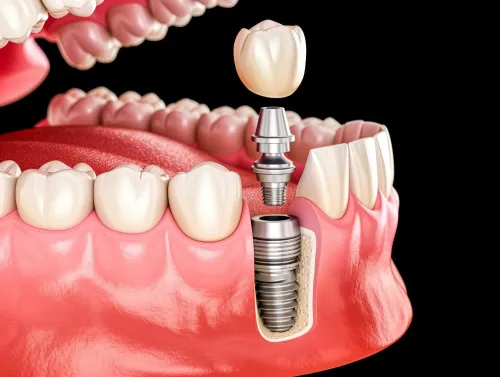
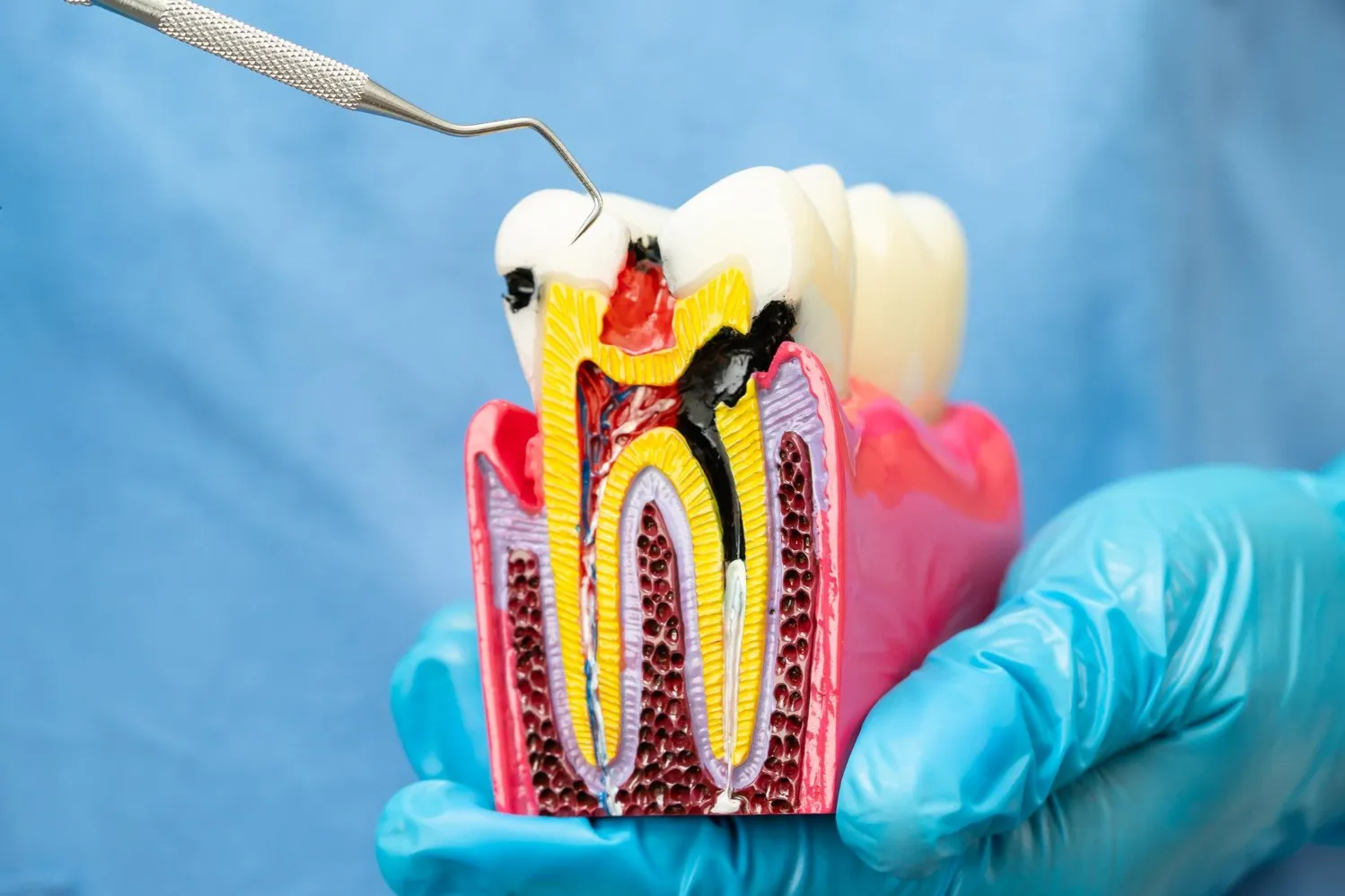
Beneath the hard outer layers of a tooth is the pulp, which contains nerves and blood vessels.
Deep decay, cracks, trauma and other problems can irritate or infect this tissue. Once the pulp is significantly affected, an ordinary filling may no longer address the source of the problem.
Symptoms can include:
- Persistent toothache
- Prolonged sensitivity
- Pain during biting
- Swelling near a tooth
- Gum tenderness
- A recurring pimple-like swelling on the gum
- Tooth discoloration in some cases
Symptoms vary, and some teeth with significant pulpal problems may produce surprisingly little discomfort.
How is root canal treatment different from a filling
A filling repairs damage affecting the hard structure of a tooth.
Root canal therapy addresses the internal pulp space. During treatment, the affected tissue is removed, the internal canal system is cleaned and prepared, and the space is filled appropriately.
The tooth then needs a suitable final restoration based on how much structure remains.
This difference explains why a filling cannot solve every deep cavity.
When is a tooth suitable for preservation
Root canal therapy is not automatically the right option for every damaged tooth.
The dentist must consider whether the tooth can be predictably restored afterward. Remaining tooth structure, cracks, periodontal support and the extent of damage influence the decision.
If a tooth cannot be restored appropriately, preserving it through root canal therapy may not provide a useful long-term result.
Why the final restoration matters
Patients sometimes assume treatment is finished as soon as the internal procedure has been completed.
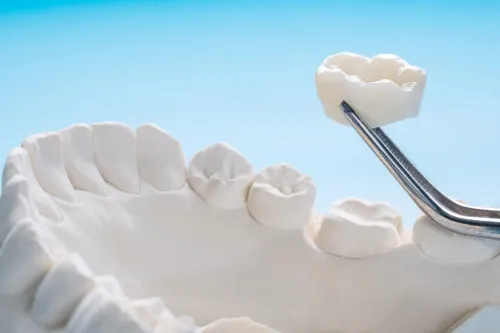
A root-treated tooth may require a definitive filling, crown, or another restoration depending on its location and remaining structure. Back teeth in particular can experience substantial chewing forces.
The restorative plan should therefore be discussed as part of the treatment from the beginning rather than as an unrelated decision later.
When should you arrange an assessment
Persistent pain, swelling, significant sensitivity and discomfort while chewing deserve prompt evaluation. Dental examination and imaging can help identify whether the pulp is involved and whether root canal therapy is appropriate.
For people living and working around Sarjapur Road in Bengaluru, Karnataka, Achala Dental Clinic provides general and restorative dental assessment for painful and damaged teeth. Where root canal therapy is indicated, planning should also consider how the tooth will be restored after the internal treatment.
The goal of root canal treatment is not simply to stop pain for the moment. It is to manage disease within the tooth while preserving a tooth that remains suitable for restoration and function. Early assessment provides a better understanding of whether that approach is appropriate before damage becomes more extensive.
Keywords