A crown is recommended when a tooth has lost enough structure that a filling or bonded repair cannot reliably withstand biting forces, but the tooth remains restorable. You will learn which damage patterns justify full coverage, when an onlay or other treatment is more conservative, and what findings should be confirmed before preparation begins.
Key takeaways
- Crowns suit teeth with extensive structural loss, cracks, or root-canal treatment.
- Your dentist must check decay, cracks, gum health, bite, and remaining tooth structure.
- Choose a filling, inlay, onlay, or veneer when enough healthy enamel remains.
- Confirm the treatment plan, crown material, bite fit, and temporary-care instructions.
Which types of tooth damage commonly justify a crown?
A crown is usually considered when a tooth has lost too much structure for a conventional filling to retain or protect it.
Common dental crown indications include extensive decay, a large filling that is failing, a cusp fracture, a cracked tooth whose crack remains within the crown, severe wear, or too little sound tooth structure for a filling, inlay, or onlay.
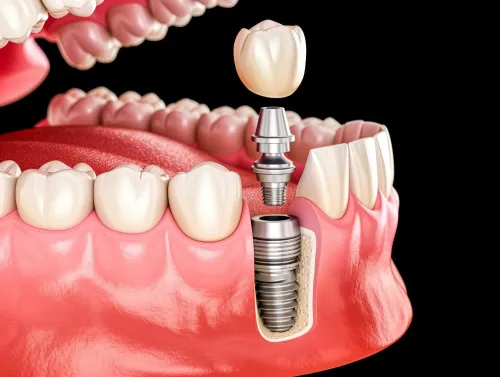
Posterior teeth often need cuspal coverage after substantial damage because chewing forces flex their remaining cusps. A crown can surround and brace those weakened walls, including after root canal treatment when fracture risk is high. It is not simply a stronger filling: preparation removes additional tooth structure, and a full crown is irreversible.
A crown is less likely to be justified for these defects:
- A superficial chip that does not weaken a cusp
- A small cavity with sound surrounding enamel and dentin
- A tooth that can retain bonded filling material, an inlay, or an adhesive onlay
- A front-tooth surface defect suited to bonding or a veneer rather than chewing-force protection
| Option | What it preserves | When it applies |
|---|---|---|
| Filling or bonding | More natural enamel and dentin | Small, contained defects |
| Inlay or onlay | More tooth structure than a full crown | Larger defects or lost cusps with controlled cracks and adequate support |
| Full crown | Less remaining natural structure | Extensive damage requiring coverage around the tooth |
If decay or a crack extends below the gum or into the root, covering it does not solve the problem; extraction or another procedure may be more predictable.
What must the dentist confirm before recommending full coverage?
Before full coverage, the dentist must establish tooth restorability: enough healthy structure must remain to support a crown and withstand chewing forces.
- Review symptoms such as lingering sensitivity, pain on biting, swelling or no symptoms at all. Examine remaining walls and cusps, decay under an old restoration, crack depth, tooth mobility, gum health and the amount of sound structure above the gum.
- Take appropriate X-rays and, when needed, use bite tests, transillumination, periodontal probing or three-dimensional imaging. These tests help locate hidden decay, assess the roots and identify a crack extending below the gum.
- Evaluate function. A molar with heavy bite forces has different requirements from a front tooth, and grinding or clenching raises fracture risk.
- Check for a ferrule effect: about 1.5–2 mm of continuous sound tooth structure above the crown margin improves resistance to wedging and fracture. A crown on a short, thin remnant is less predictable.
If decay or a crack has infected the pulp, root canal treatment comes before the crown. The root canal removes infection; the root canal and crown serve different purposes, because the crown protects weakened structure but does not sterilise an infected tooth.
Decay or a fracture below the gum may require crown lengthening or orthodontic extrusion to expose sound structure. If a crack reaches the root or causes a vertical root fracture, extraction can be more predictable than crowning.
When is another restoration better than a crown?
Small defects usually deserve a filling or bonding because these options preserve more natural tooth structure than a crown. The crown versus filling decision changes when lost structure, chewing load, or a crack makes the remaining tooth vulnerable.
| Option | Preserves | Suitable when | Becomes unsuitable when |
|---|---|---|---|
| Filling or bonding | More enamel and dentin | The defect is small and the tooth is stable | Walls or cusps are too weak |
| Inlay or onlay | More sound structure than a crown | Larger damage or a lost cusp has controlled cracks and good isolation | The tooth is cracked extensively or cannot be isolated |
| Dental veneer | Front enamel for selected cosmetic changes | A front tooth has a surface defect but strong chewing structure | The tooth is structurally weak or the defect involves biting cusps |
| Root canal treatment | The natural tooth and root | Infection has reached the pulp | It cannot replace missing structure or protect a heavily weakened tooth |
| Implant crown | The visible tooth portion on an implant | The natural tooth has an unfavorable prognosis | The natural tooth remains predictably restorable |
An onlay versus crown decision depends on remaining walls, occlusion, crack status, and restorability. A bonded onlay or overlay can cover cusps while removing less enamel and dentin.
Extraction versus crown becomes relevant when there is an untreatable root fracture, severe periodontal loss, inadequate structure, or a crack below the gum that cannot be exposed safely.
- Can the natural tooth be restored predictably?
- Would crown-lengthening or orthodontic extrusion expose sound structure?
- Is infection treated before rebuilding the tooth?
- Is the proposed restoration protecting structure or merely covering an unsolved problem?
What happens from diagnosis to a permanent crown?
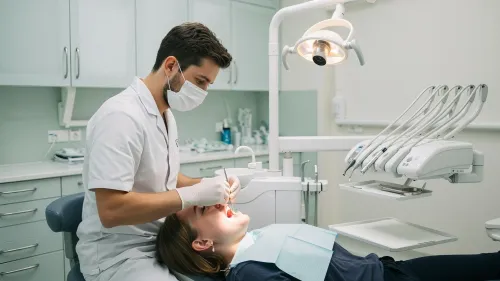
A dental crown procedure begins with confirming that the tooth is restorable and that full coverage offers more protection than a filling, inlay, or onlay. Ask whether enough sound structure remains, whether a crack reaches below the gum or into the root, and whether gum disease or decay must be treated first.
1. The dentist reviews your symptoms, examines the tooth and gums, and checks your bite. X-rays or other imaging reveal decay beneath an old restoration, root condition, bone support, and possible cracks.
2. Decay, loose fillings, and failing material are removed. If the pulp is infected or irreversibly inflamed, root canal treatment comes before the crown; the permanent coronal restoration helps prevent leakage and fracture from jeopardising that treatment.
3. The dentist rebuilds missing structure with a buildup. A post and core is used when the remaining tooth cannot retain the buildup alone; a post supports the core but does not strengthen the root.
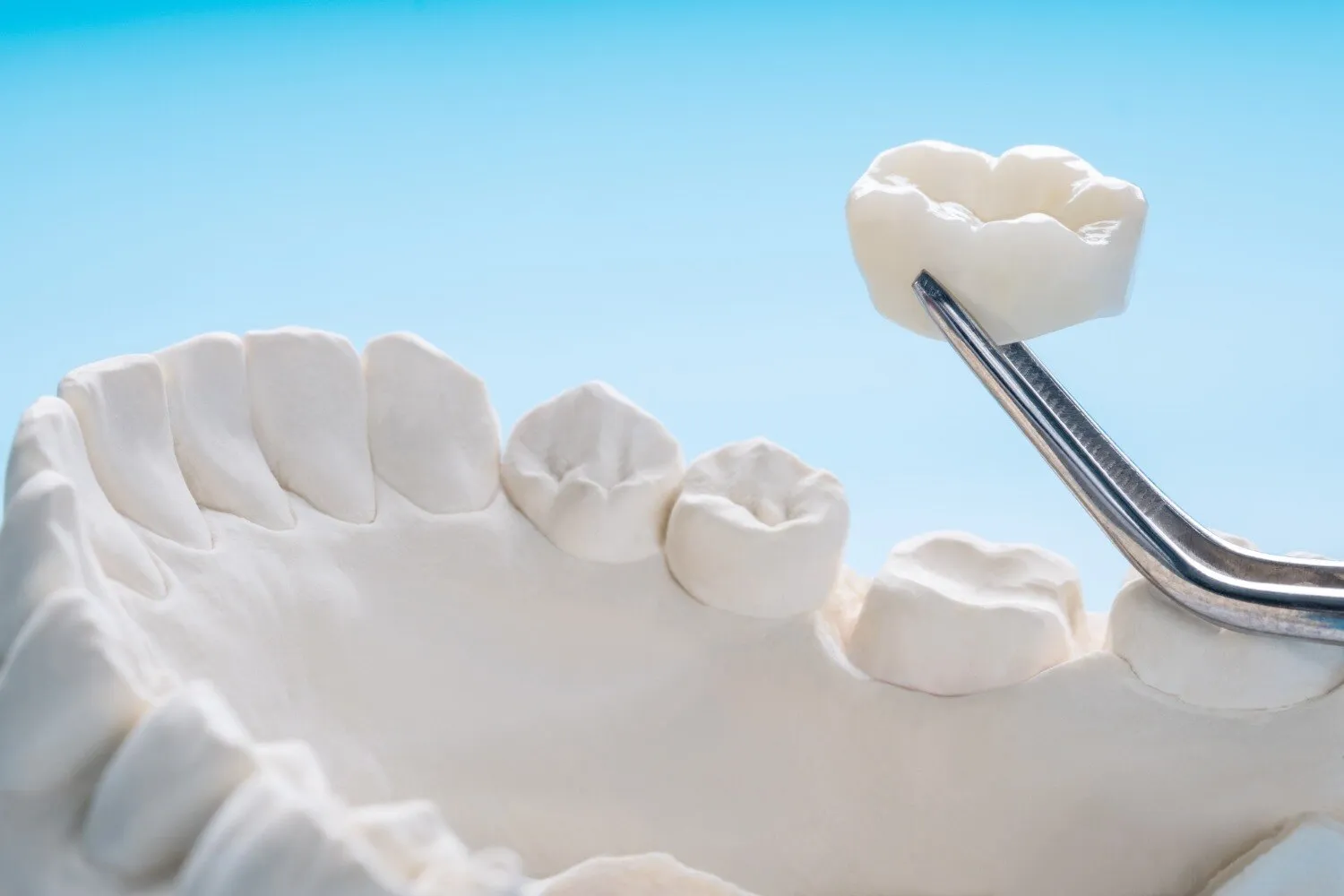
4. Tooth preparation for crown reduces the outer tooth structure to create clearance for the selected material and a defined margin. The amount depends on the tooth, damage, and restoration, making this step irreversible.
5. An impression or digital scan records the prepared tooth, opposing teeth, and bite. A dental laboratory uses this information to fabricate the permanent crown.
6. A temporary crown covers the preparation between appointments, limiting sensitivity, movement, contamination, and chewing forces. It is not intended to provide the final seal indefinitely.
7. At the final visit, the dentist checks fit, contacts, appearance, and bite before cementation. Bite adjustment prevents a high crown from taking excessive force.
How can you judge whether the proposed crown is appropriate?
A sound crown plan starts with a diagnosis, not the appearance of a damaged tooth. During questions before a dental crown, ask what supports the recommendation, how much sound enamel and dentin remain, whether a filling, bonding, inlay or onlay would preserve more tooth, and whether root-canal treatment is needed first.
At Achala Dental Clinic, ask these questions during the consultation:
- Which material suits this tooth’s location, bite forces and cosmetic demands?
- Is a continuous ferrule of about 1.5–2 mm present above the margin, or can one be created?
- What indicates an unfavorable prognosis: a crack below the gum, vertical root fracture, active decay, severe bone loss or inadequate remaining structure?
- How will you control plaque, fluoride exposure, caries risk and periodontal inflammation before fitting the crown?
- What crown maintenance is required, and should bruxism be managed with bite adjustment or a night guard?
| Option | Preserves | Limitation |
|---|---|---|
| Filling or bonding | More natural tooth | Unsuitable for extensive structural loss |
| Inlay or onlay | More enamel and dentin than a crown | Needs controlled cracks and good isolation |
| Crown | Covers weakened cusps | Irreversible preparation |
| Extraction and implant crown | Replaces the visible tooth | Does not preserve the natural root |
Crown longevity is commonly described as about five to fifteen years, not a lifetime. Recurrent decay, leakage, gum disease, poor hygiene, chipping and grinding can shorten it. A stainless steel crown for children protects a heavily damaged primary molar; it is not automatically an adult cosmetic crown.
Frequently asked questions
Which types of tooth damage commonly justify a crown?
A crown is commonly considered when a tooth has extensive decay, a large failed filling, a significant crack, or substantial loss of structure after root-canal treatment.
What must the dentist confirm before recommending full coverage?
The dentist must assess decay, cracks, remaining tooth structure, gum health, the tooth root, infection, and how the tooth meets its opposing teeth.
When is another restoration better than a crown?
A filling, inlay, onlay, or veneer can be better when enough healthy tooth structure remains for a more conservative restoration.
What happens from diagnosis to a permanent crown?
The process includes examination and imaging, tooth preparation, an impression or digital scan, placement of a temporary crown, and fitting and cementing the permanent crown.
How can you judge whether the proposed crown is appropriate?
Ask which structural problem requires full coverage, what alternatives exist, which material is planned, how the bite will be checked, and how much tooth structure will be removed.