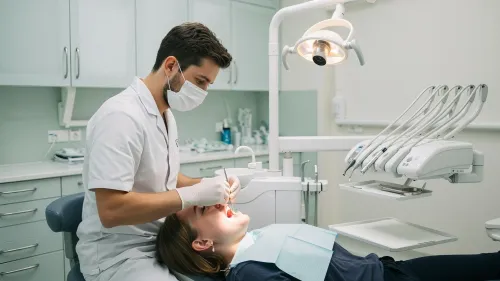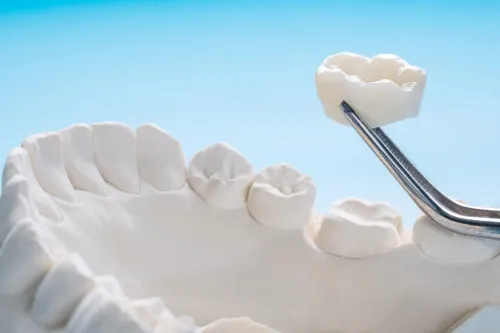

A smile makeover should not begin with the assumption that every visible tooth needs cosmetic treatment. Sometimes the main concern is colour. In other cases, tooth position, shape, spacing, gum levels, missing teeth, or older restorations affect the overall appearance.
A thoughtful smile design treatment begins by identifying these individual concerns and deciding which changes are actually necessary.
What does smile design involve
Smile design is a planning process rather than one universal dental procedure.
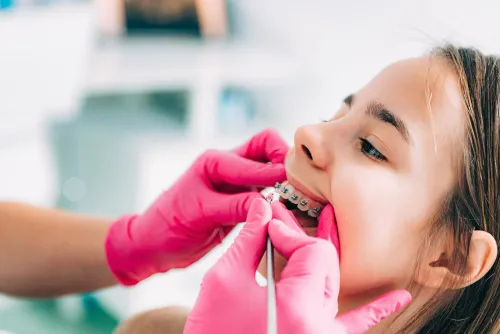
Depending on the patient, treatment may involve professional cleaning, whitening, orthodontic correction, tooth-coloured restorations, veneers, crowns, replacement of missing teeth, or management of gum-related aesthetic concerns.
Some patients require only one procedure. Others may benefit from carefully sequenced treatments.
The important point is that treatment should respond to the existing teeth rather than applying the same cosmetic formula to every smile.
What should be assessed before cosmetic work
Healthy foundations matter.
Before elective aesthetic dentistry begins, the dentist should evaluate:
- Tooth decay
- Gum health
- Existing restorations
- Tooth alignment
- Bite relationship
- Missing teeth
- Tooth wear
- Structural damage
- Patient expectations
Treating active dental disease first can prevent cosmetic work from being built around unresolved oral health problems.
Good smile planning is about proportion
Very white teeth are not automatically natural-looking teeth.
The appearance of a smile depends on tooth width and length, alignment, symmetry, visible gum levels, facial characteristics and the way teeth appear during speech and smiling.
A patient may prefer subtle changes that retain individual tooth characteristics rather than a highly uniform appearance.
Discussing these preferences before treatment helps the dentist understand what “better smile” actually means to that person.
Know what each treatment can achieve
Different concerns require different solutions.
Whitening changes tooth shade but does not straighten crowded teeth. Orthodontic treatment changes tooth position but does not repair a fractured edge. Veneers can modify selected aspects of shape and colour but require appropriate case selection. Crowns may be indicated when teeth need more extensive restoration.
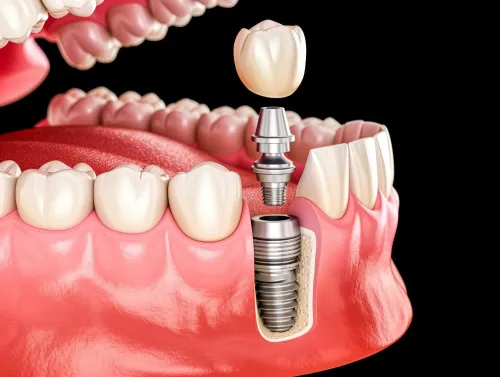
Implants or other prosthetic options may become part of planning when teeth are missing.
A comprehensive consultation is useful because combining procedures without a clear sequence can create unnecessary treatment.
Readiness involves realistic expectations
Someone considering cosmetic dentistry should be ready to discuss priorities, maintenance and the limitations of each option.
Questions worth asking include how much tooth preparation may be required, whether less invasive alternatives exist, how existing bite forces affect restorations and what ongoing care will be needed.
People considering smile enhancement around Sarjapur Road in Bengaluru, Karnataka, can have cosmetic and restorative concerns assessed at Achala Dental Clinic. Its scope in prosthodontics and implant dentistry can be particularly relevant when smile planning involves damaged teeth, crowns, veneers, missing teeth, or implant-supported restorations in addition to aesthetic goals.
Effective smile design treatment is ultimately personalized. A plan should respect healthy natural tooth structure, address existing dental problems and coordinate each procedure in the right order. When aesthetics, function and maintainability are considered together, patients can make better-informed decisions about how much treatment their smile actually needs.
Keywords