Small changes to the visible surfaces of front teeth can alter how wide, long, even or bright your smile appears, but veneers cannot move teeth or treat an unhealthy mouth. By comparing materials, preparation, planning and alternatives, you can judge whether veneers match your dental needs and the amount of treatment you are prepared to maintain.
Key takeaways
- Veneers can alter apparent tooth width, length, colour and edge shape.
- Choose porcelain for stain resistance; choose composite for simpler repairs and adjustments.
- Expect examination, design approval, tooth preparation and final bonding before treatment.
- Compare orthodontics, whitening or crowns when veneers cannot address the underlying problem.
How veneers change the visible shape and colour of front teeth
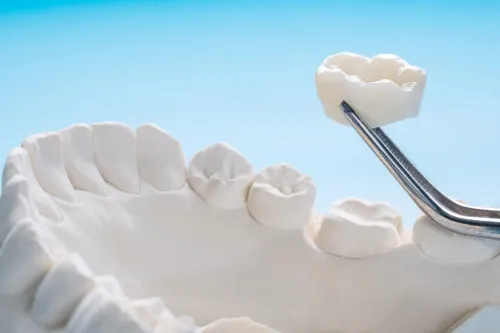
Dental veneers change the visible front surface of a tooth, so they can reshape a smile without moving the teeth. By adding or covering enamel, they can help with closing small gaps, increase apparent tooth width or apparent tooth length, smooth uneven edges, improve proportions and mask minor rotations.
| Feature | What dental veneers can change | What they cannot change |
|---|---|---|
| Shape | Add contour to worn, short or mildly chipped front teeth | Move teeth or correct substantial crowding |
| Spacing | Close selected small gaps between teeth | Replace orthodontic treatment for larger spaces or significant rotations |
| Colour | Cover intrinsic discolouration on the veneered tooth | Whiten exposed natural enamel or neighbouring teeth |
| Smile balance | Make front teeth look more even in size and outline | Change gum display, lip posture, missing teeth or the position of unveneered teeth |
| Surface appearance | Create a smoother, more uniform visible surface | Restore teeth with extensive structural loss without considering stronger restorations |
A veneer is not a whitening treatment. If you want whiter natural teeth, discuss whitening before the final veneer shade is chosen; veneers cannot be bleached later, and their colour also depends on the underlying tooth, veneer thickness, translucency, cement and surrounding teeth.
Veneers do not fix the cause of every uneven smile. Tooth wear, bite relationships and major damage can require bonding, a crown, orthodontics or another restorative treatment instead.
Porcelain or composite: which veneer material fits your priorities?
Composite veneers suit a shorter appointment and simpler repair; porcelain veneers suit stronger stain resistance and a more stable finish. The trade-off is time, cost, and how much tooth preparation the planned design requires.
| Material | Appearance and staining | Preparation and appointment time | Repair and longevity |
|---|---|---|---|
| Porcelain or ceramic veneers | More translucent, uniform and colour-stable; high stain resistance | Usually requires enamel shaping when needed, impressions or scans, laboratory fabrication, a try-in and a later bonding visit; temporaries may be used | Chips and cracks are difficult to repair invisibly; replacement may require further preparation. Survival varies with bite, tooth position, bonding and habits. |
| Composite veneers | Can look natural, but surface gloss and colour change sooner; coffee, tea, tobacco and red wine stain the resin more readily | Often placed directly with little or no enamel removal, usually in one appointment; the dentist shapes and polishes the resin on the tooth | Easier to add, reshape or repair, though repairs can show. Wear, staining and loss of gloss may lead to earlier maintenance or replacement. |
The shade is not chosen from the material alone. Underlying tooth colour, veneer thickness and translucency, resin cement and neighbouring teeth all influence the result; opaque ceramic hides dark teeth better but can look less lifelike.
Neither option is failure-proof. Clenching, nail biting and chewing ice raise the risk of fracture or debonding, and a night guard reduces that risk without eliminating it.
What happens from veneer planning to final bonding
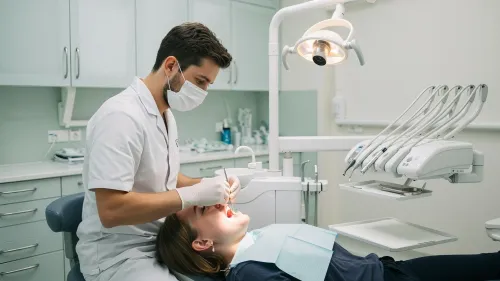
The veneer consultation starts with an examination of enamel, gums, existing fillings, tooth wear, spacing and your bite. Dental photographs record your smile at rest and while smiling; digital scans or dental impressions capture tooth contours so the proposed width, length and edge position can be planned against your face and neighbouring teeth.
1. Discuss the result you want, including tooth shape, visible length, symmetry and how much tooth should show when your lips are relaxed. Digital design or a wax model can preview these proportions before preparation.
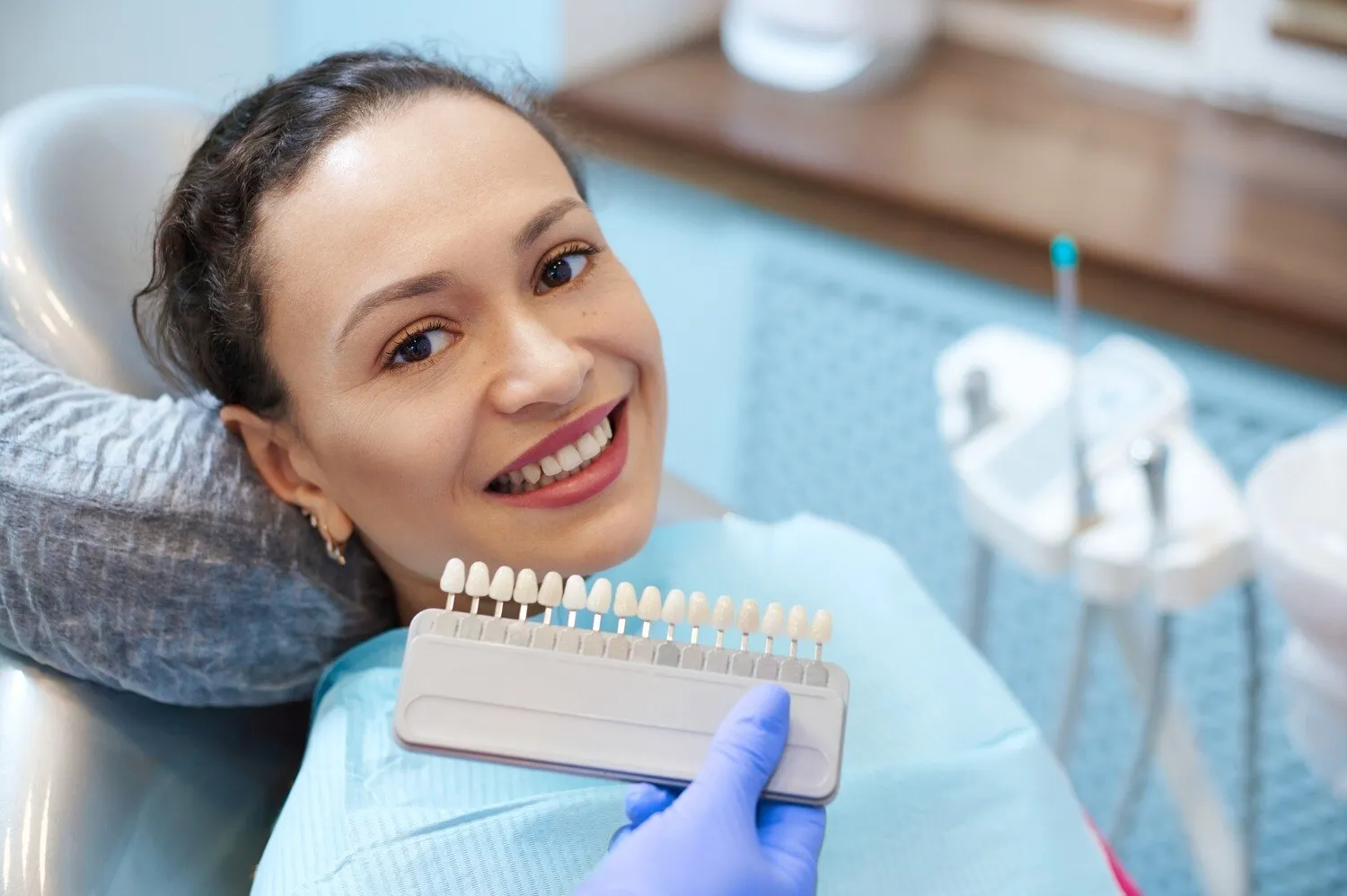
2. Select the shade after checking the underlying tooth, neighbouring teeth and any planned whitening. Veneer thickness, translucency and the resin cement shade all affect the result; a very opaque veneer hides darkness better but can look less lifelike.
3. Prepare enamel only where space, a smooth bonding surface or a better bite requires it. “No-prep” does not guarantee zero alteration, and adding material without creating space can produce bulky contours or premature contacts.
4. Try in the veneers with temporary material or try-in paste. Check the shape, colour, speech, lip support and midline before approval; this is the practical point to request changes.
5. Bond the approved veneers after cleaning and isolating the teeth. The dentist removes excess cement, checks contacts and adjusts the bite so the veneers do not receive heavy force during chewing or clenching.
Whitening belongs before final shade selection because veneers do not bleach later, and exposed natural teeth still keep their original colour. A stable gumline and healthy tooth underneath also matter: bonding cannot compensate for untreated decay, active gum disease or an unstable bite.
When veneers are the wrong tool, and what to compare instead
Choose the least invasive option that fixes the actual problem. Veneer suitability is poor when teeth are unhealthy, heavily restored, substantially crowded, or missing; decay, gum disease, leaking fillings and unexplained pain need treatment first.
| Option | Compare it when | Why it may be better |
|---|---|---|
| Orthodontic treatment | Teeth are crowded, rotated or unevenly spaced | It moves teeth rather than masking their position beneath coverings. |
| Professional teeth whitening | Natural teeth are healthy but too dark | It lightens exposed tooth structure; veneers cannot whiten later or change neighbouring teeth. |
| Composite bonding | You need a small repair, edge change or gap closure | It usually removes less enamel and is easier to repair, though it can stain or wear sooner. |
| Enamel reshaping | A minor point, overlap or uneven edge causes the concern | It removes a small amount of enamel without adding material; it cannot correct major shape or colour problems. |
| Crown | A tooth is weak, cracked or extensively filled | A crown covers and reinforces more of the tooth; a veneer is not structural protection for a badly compromised tooth. |
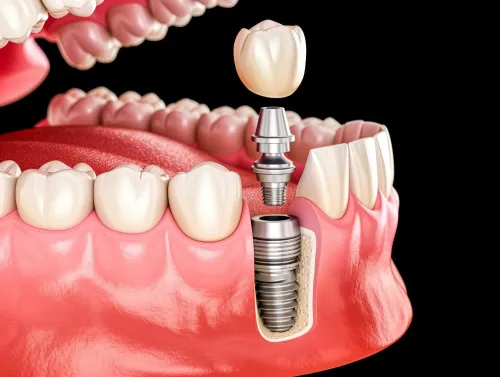
| Tooth replacement | The tooth is missing or cannot be saved | An implant-supported crown, bridge or denture replaces the missing tooth; a veneer only covers a present tooth. |
Preserve enamel whenever possible: bonding to enamel is more predictable than bonding to exposed dentine, and veneer replacement can require further preparation. At Achala Dental Clinic, ask for an examination of enamel, bite, gums and restorations before choosing a cosmetic option.
How to protect veneered teeth after treatment
Protecting veneered teeth starts with treating them as part of your natural mouth, not as permanent shields. Veneer aftercare includes brushing twice daily with fluoride toothpaste, cleaning between teeth, and attending dental examinations to protect the bonded margins and neighbouring teeth.
Make these habits part of your veneer maintenance:
- Use a soft-bristled toothbrush and avoid biting ice, pens, fingernails or hard objects.
- Tell your dentist about bruxism, jaw soreness or morning headaches.
- Wear a dentist-fitted night guard if grinding or clenching threatens the veneers. It reduces impact but cannot guarantee they will not chip, debond or fracture.
- Arrange prompt review for sensitivity, bleeding gums, a rough edge or a change in the bite.
| Risk or decision | What to understand | Practical response |
|---|---|---|
| Whitening | Veneers cannot be bleached, and exposed natural teeth can remain a different shade. | Complete planned whitening before the final veneer shade is chosen. |
| Tooth health | Decay, leaking fillings, gum disease, poor plaque control and unexplained pain remain underneath cosmetic treatment. | Treat these problems before bonding. |
| Bonding surface | Enamel provides a more predictable bond than dentine. Extensive preparation or heavily restored teeth can reduce long-term prognosis. | Ask how much enamel will remain and what future repair or replacement involves. |
A chipped veneer may be repairable, but replacement can require another appointment and additional tooth preparation. Choose treatment only after discussing its maintenance burden and exit plan.
Frequently asked questions
How can dental veneers change the shape and colour of front teeth?
Veneers cover or add to the visible front surface, helping alter apparent tooth width, length, edge shape, proportions and colour.
Should you choose porcelain or composite veneers?
Porcelain offers stronger stain resistance and a ceramic appearance, while composite usually allows simpler repairs, adjustments and removal of less tooth structure.
What happens before dental veneers are bonded?
Planning includes an examination, shade and shape decisions, design approval, tooth preparation, trial fitting and final bonding.
When are veneers the wrong treatment?
Veneers are not the right tool for every problem. Compare orthodontic treatment for tooth movement, whitening for suitable stains, and crowns for teeth needing broader structural protection.
How do you protect teeth with veneers?
Use a soft toothbrush and fluoride toothpaste, avoid biting hard objects, manage grinding with a night guard when prescribed, and attend dental reviews.